Helpful Answers for Landowners and Contractors Planning a Septic System
If you are building a new home, planning an addition, adding an accessory dwelling unit, or dealing with a failing system, these answers explain the basics before you move forward.
Once approved by the State, a design expires after four years. If the septic system is under active construction when the approval expires an extension can be requested.
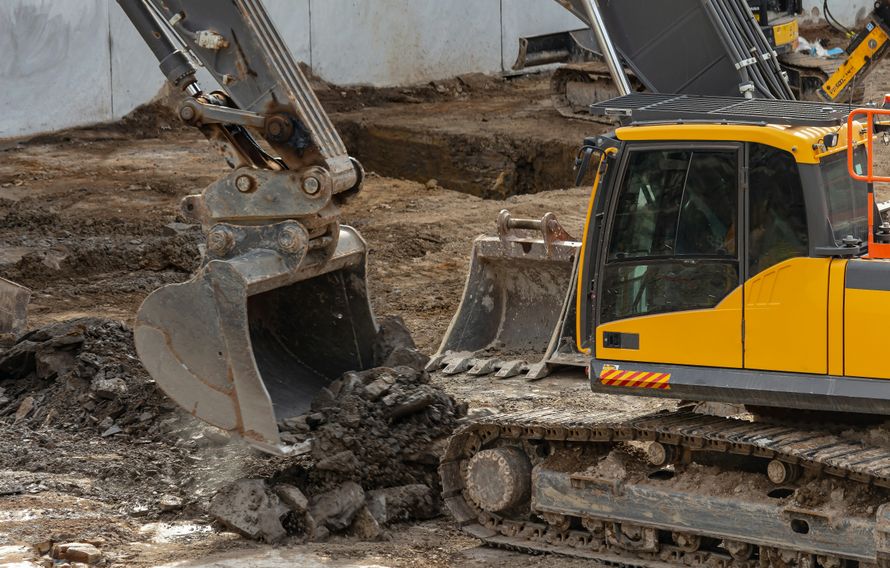
A test pit is a hole dug into the ground by an excavator to a depth of about 5 feet. This allows the designer to examine the soils for their suitability to sustain a leachfield.
A perc test determines the rate at which water percolates through the soil and is one of the determining factors of leachfield sizing.
Yes. Constructing an ADU or adding a bedroom to your existing home increases the amount of sewage created by the residence. The State requires a new design be submitted for approval to ensure that the property can dispose of the increased sewage load and there is enough room on the property to replace the septic system. In many cases, as long as the property can sustain a new system that meets current regulations at the time the bedroom or ADU is constructed, they will allow you to “tie into” the existing system and not construct the new system.
Depending on what needs to be repaired, you may need to work with a designer to make that repair. One exception is the replacement of your septic tank. As long as the new tank is larger or of equal size to the old one, you do not need a septic permit. It is recommended to talk to the Town’s Building Inspector or Health Officer before attempting any repair of your septic system. Your town may have regulations more strict than the State.
Fees
Septic Design Fees
Fees are based on the type and complexity of the design. The notes below explain what is typically included and which outside costs are separate.
Basic Residential Design
$2,200.00
A basic design will typically cover most residential needs, including failed systems, additions, and new builds.
The basic design fee covers site visits, test pit logging, topographic survey, data processing, design, Town and State applications, and any requested changes by either Town or State agencies. This also includes as-built designs that are often necessary to achieve operational approval from the State.
Commercial Design
Custom Quote
Commercial designs are often more complicated than residential designs. Like the basic residential design, this fee covers site visits, test pit logging, topographic survey, data processing, design, Town and State applications, and requested changes by either Town or State agencies.
Commercial fees may also include as-built designs that are necessary to achieve operational approval.
Additional Fee Notes
Design fees do not include Town and State review fees or backhoe/operator fees necessary for digging test pits.
Client-requested design changes after the initial layout has been agreed upon will be charged on an hourly basis.
If the Town or State requires special permission, such as a Zoning Variance or Conditional Use Permit, additional preparation and presentation work will be charged on an hourly basis.
Most residential designs do not require variances or conditional use permits for approval.
A 10% discount is available for seniors, veterans, and first responders.
200+septic designs completed
Before You Call
What to Prepare for a Septic Design Conversation
A few details can make the first conversation more productive and help Jason understand the property, project scope, and likely next steps.
Helpful Details to Have Ready
Property address, town, and tax map or lot number if available
A survey, plot plan, deed plan, or prior septic plan if you have one
Existing septic records, approvals, or repair history
Your project goal, such as a new home, ADU, added bedroom, replacement system, or repair
Any building plans, proposed driveway changes, well locations, wetlands, or known site limits
Site Visit Checklist
Gather any town or State septic records you already have
Mark the proposed building, addition, ADU, or work area if possible
Identify the existing septic tank, leachfield, well, and water lines if known
Make sure there is access for an excavator if test pits may be needed
Write down questions, concerns, and any timing goals before the visit
Contact South Road Designs
Have Questions About Your Property? Start with a Call.
If you are planning a new home, addition, ADU, or need help with a failing system, South Road Designs is here to help. Jason encourages homeowners to call with questions, talk through the property, and get a better understanding of the next step.